Harper Park
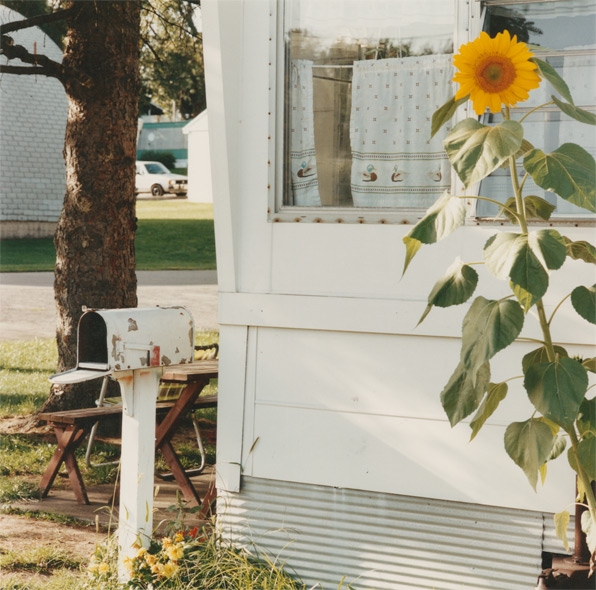
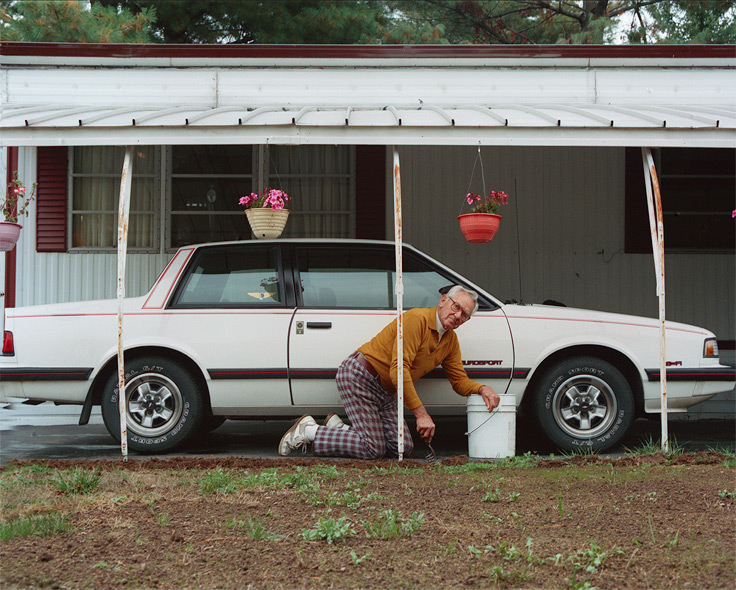
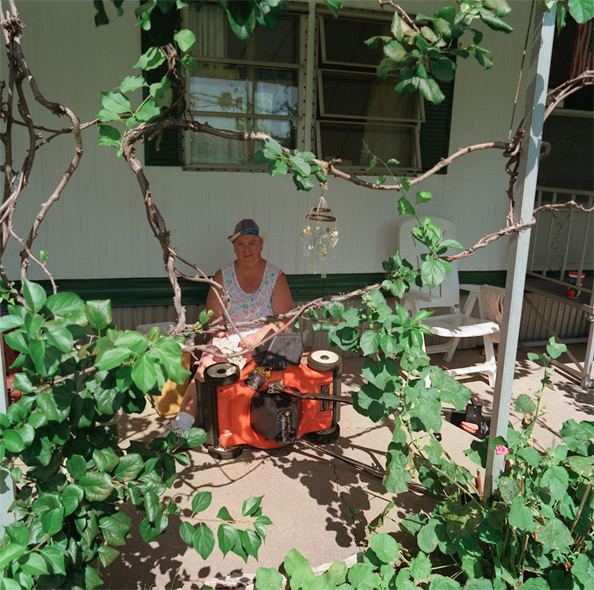
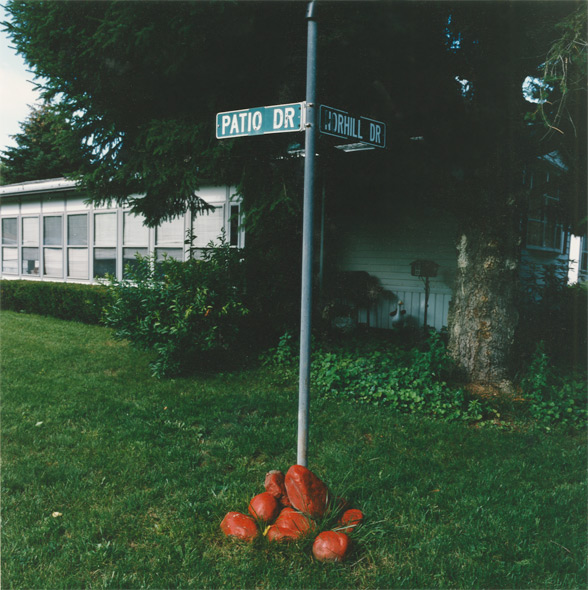
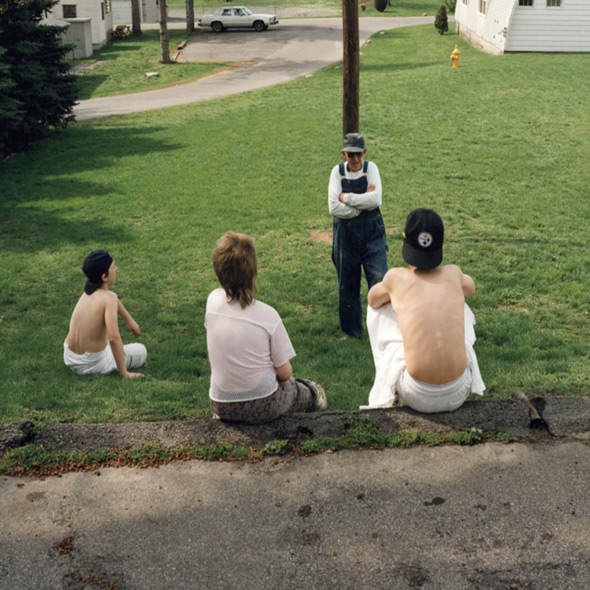
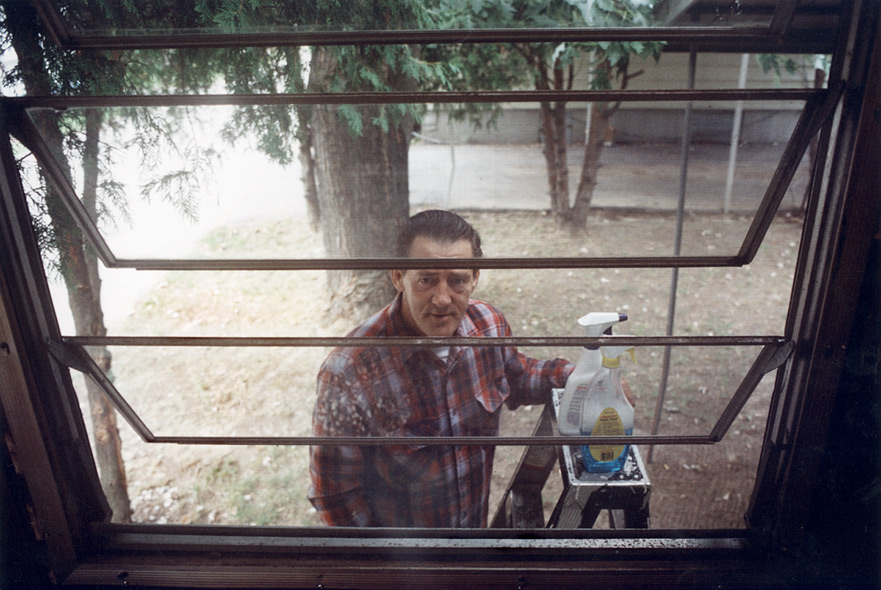
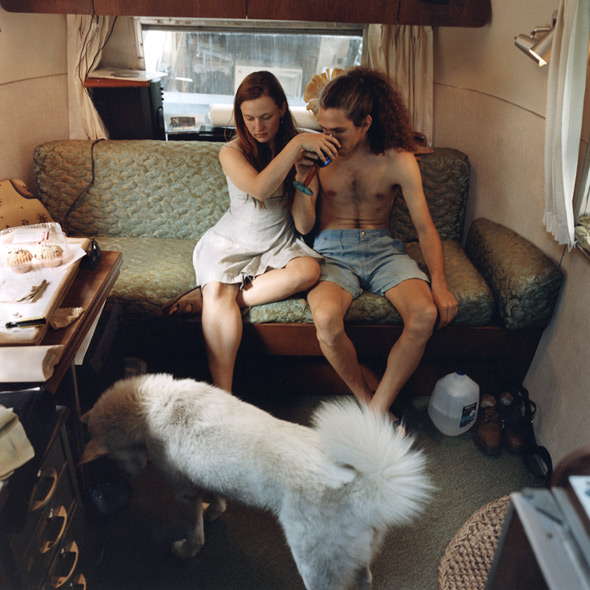
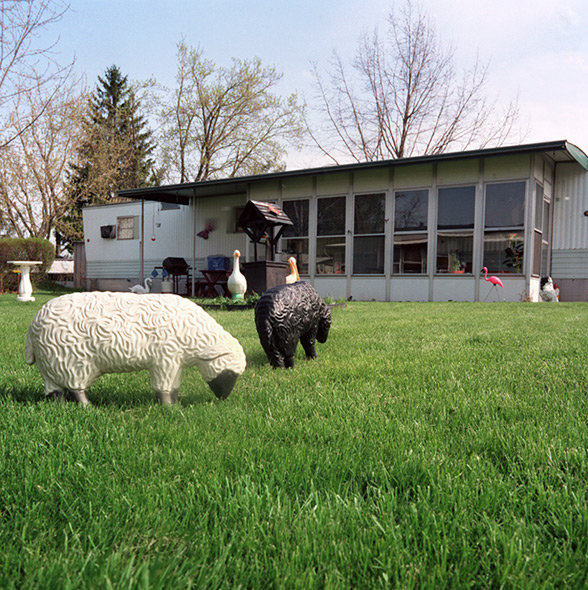
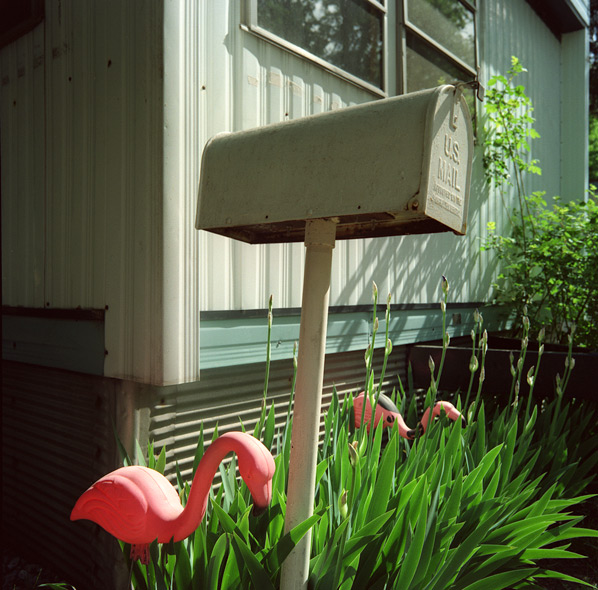
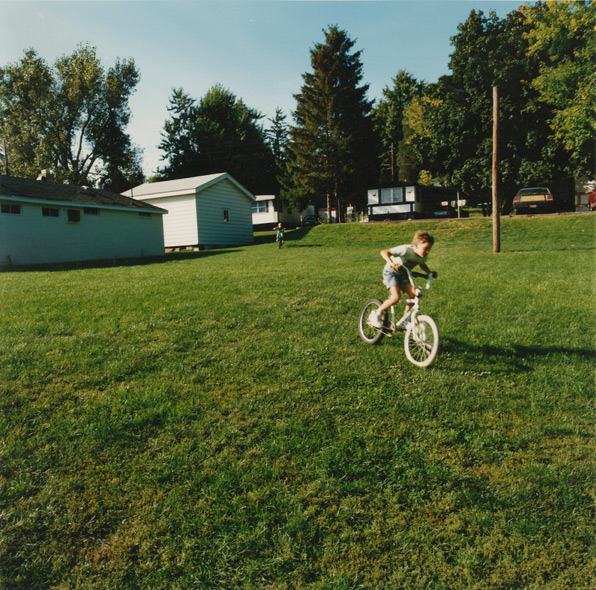
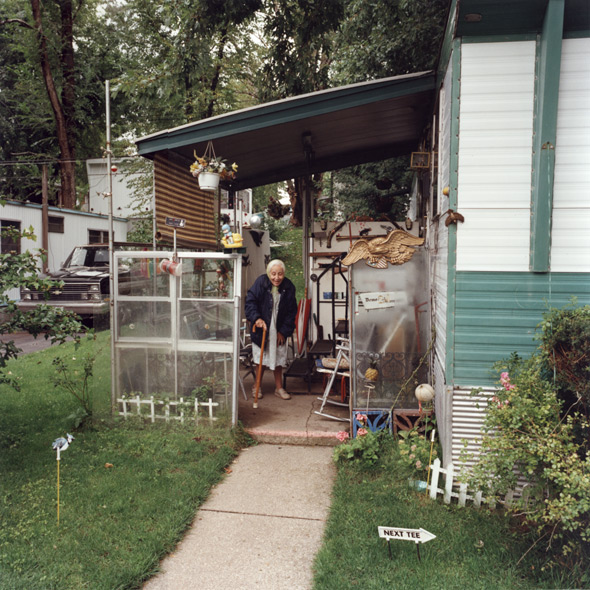
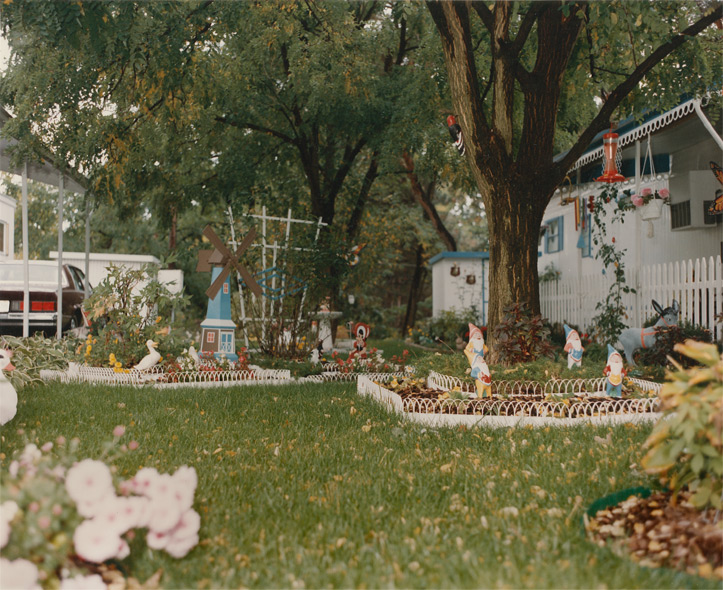
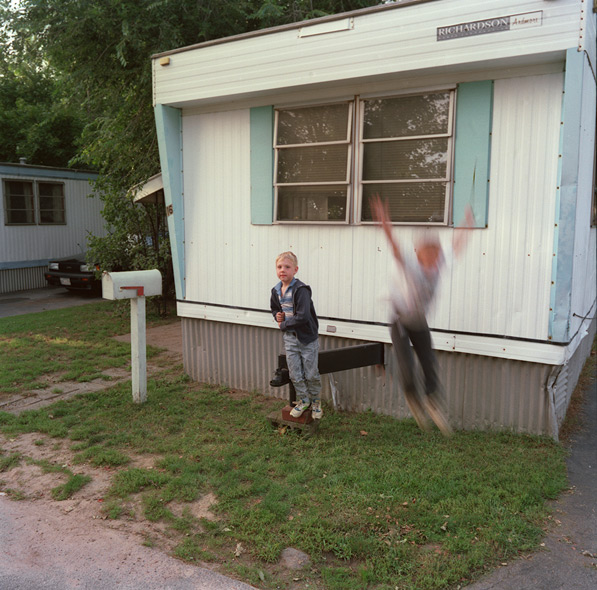
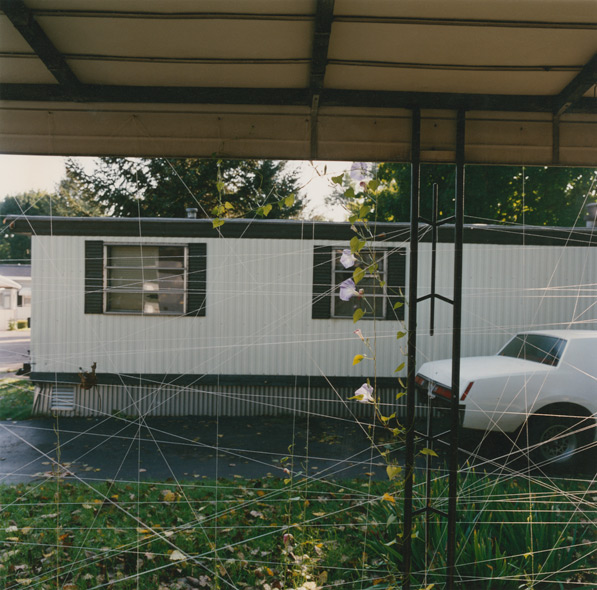
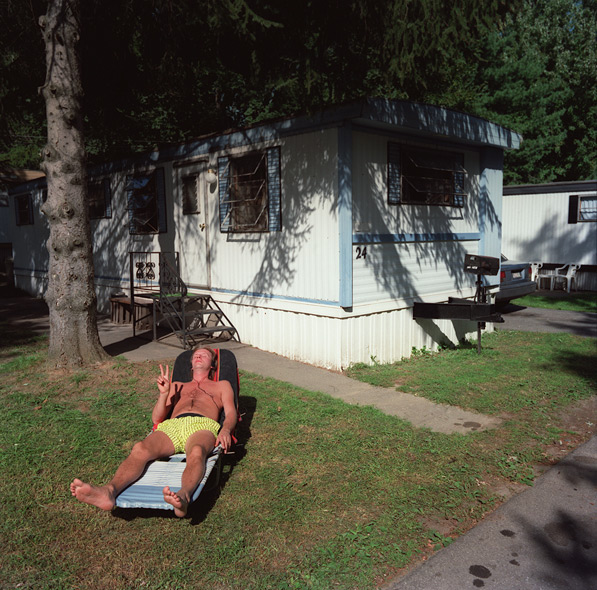
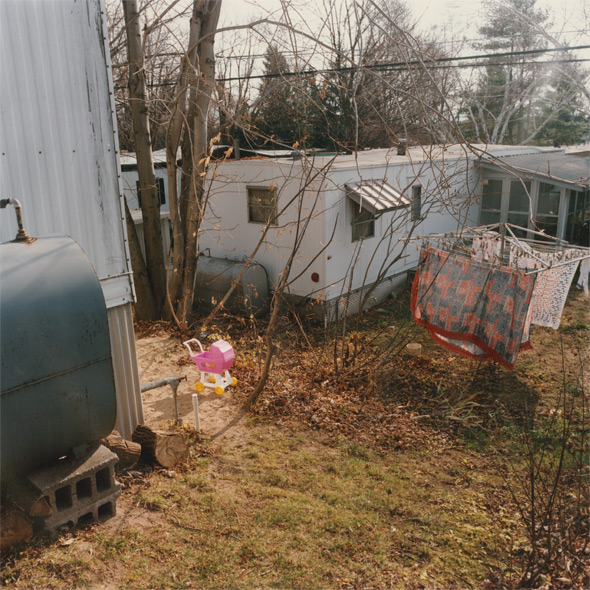
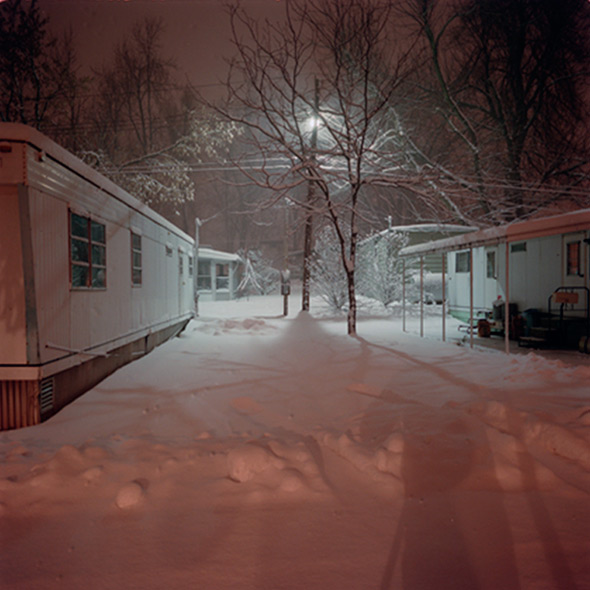
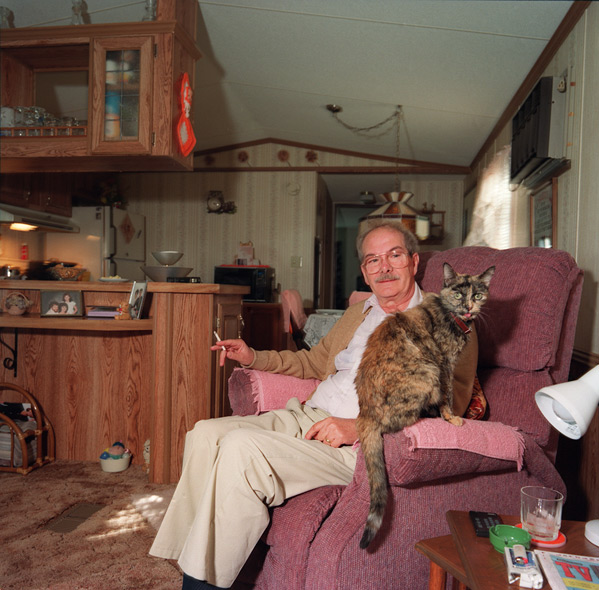
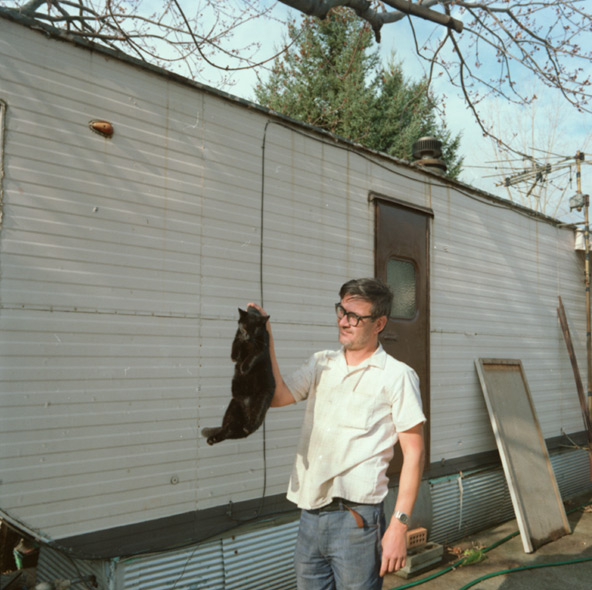
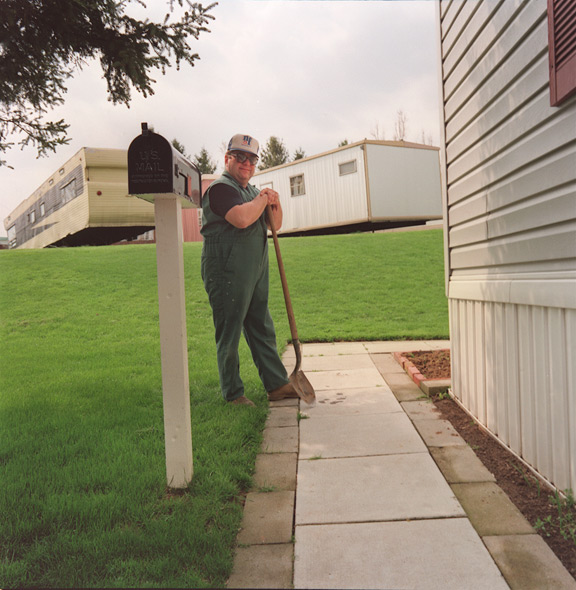
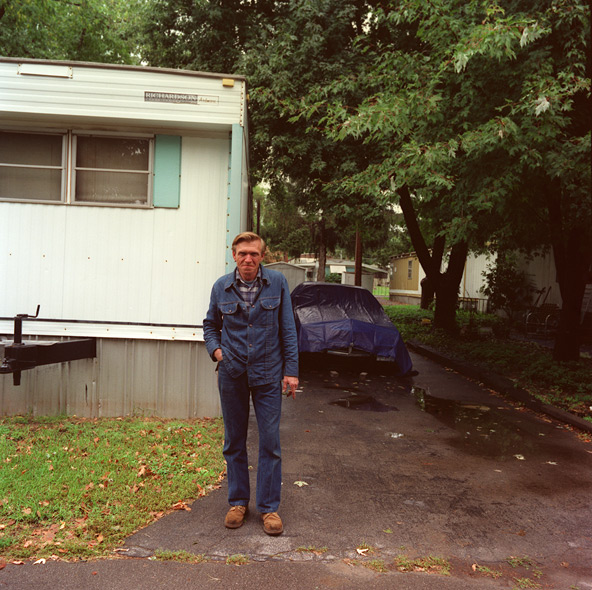
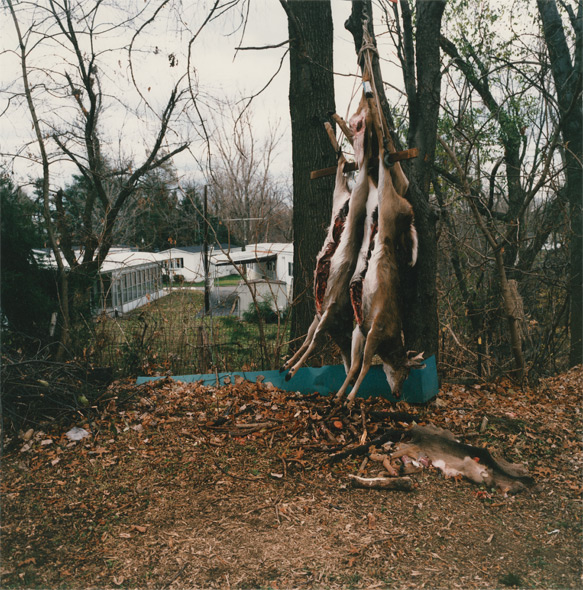
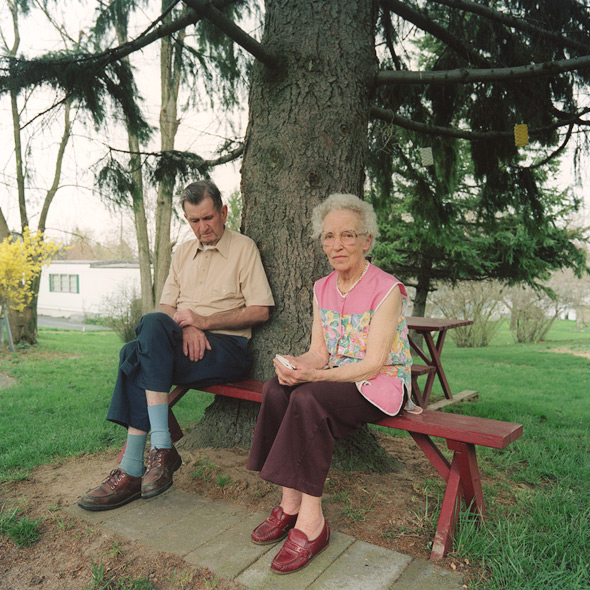
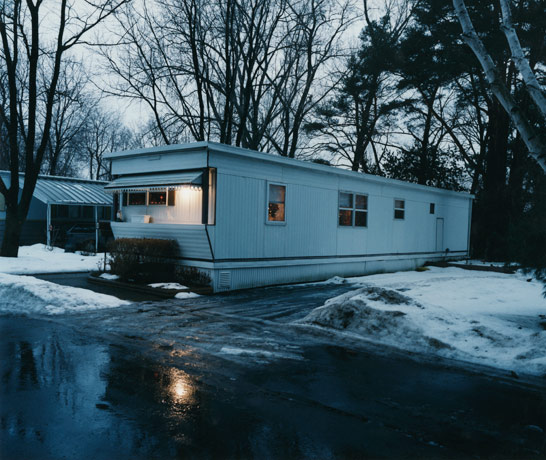
For two years, from September 1991 through August 1993, I lived in and documented Harper Park, a community of 402 mobile homes just outside Rochester, New York. The Park has been in existence since 1939, when it contained seven trailers. Most of the original occupants were workers at the Maplewood Inn, an upscale local tavern and restaurant. Ralph Harper, a chicken farmer, acquired the property and trailer park in 1954 from the estate of Mr. and Mrs. Guccimo.
The property became available when Mrs. Guccimo shot and wounded their minister, who was at the Guccimo’s house to resolve a domestic dispute. Mrs. Guccimo then shot and killed Mr. Guccimo, then killed herself with the same gun. The minister was saved when the bullet intended for him ricocheted off a pen in his breast pocket. The Harper family has operated the Park ever since.
I moved into the community to photograph the people and the landscape while teaching photography at Rochester Institute of Technology.
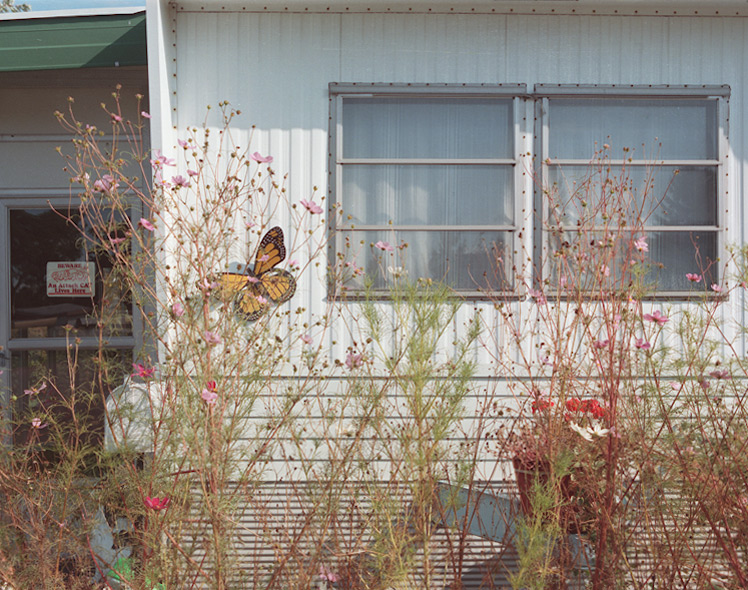
Arlene
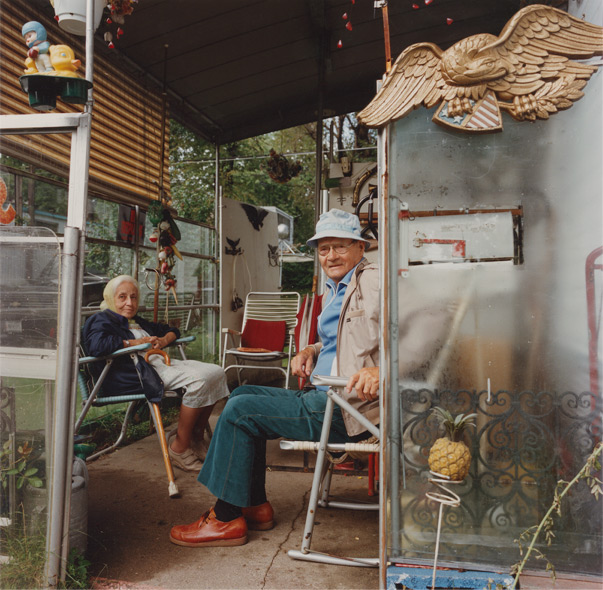
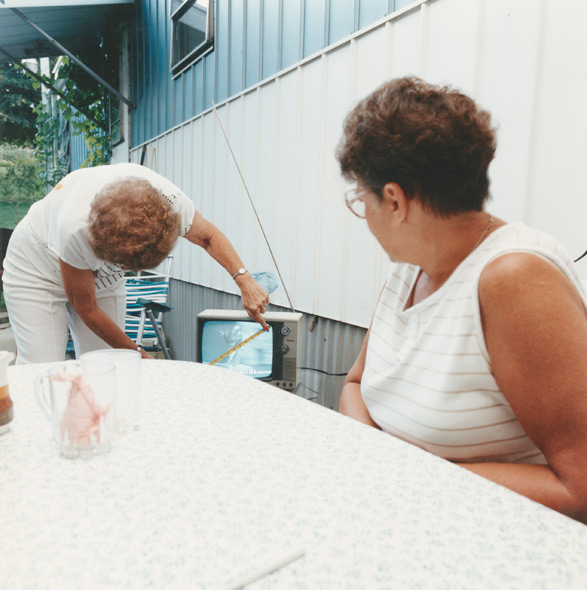
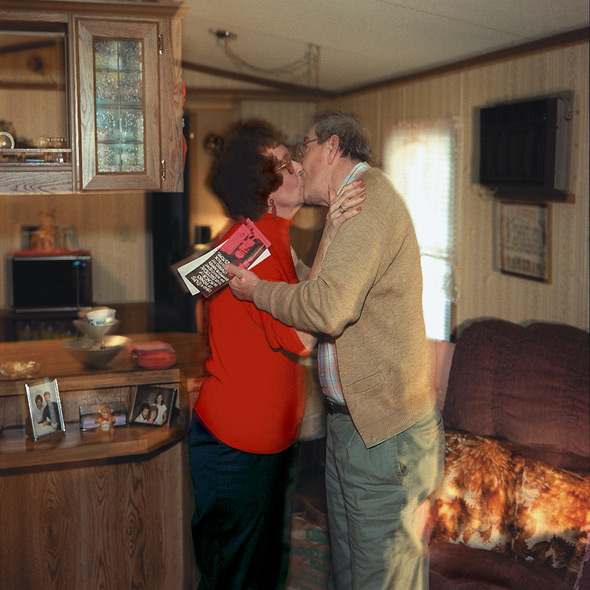
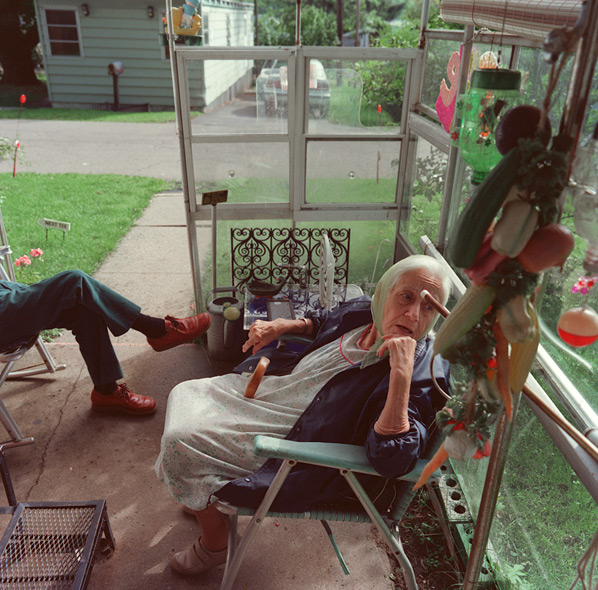
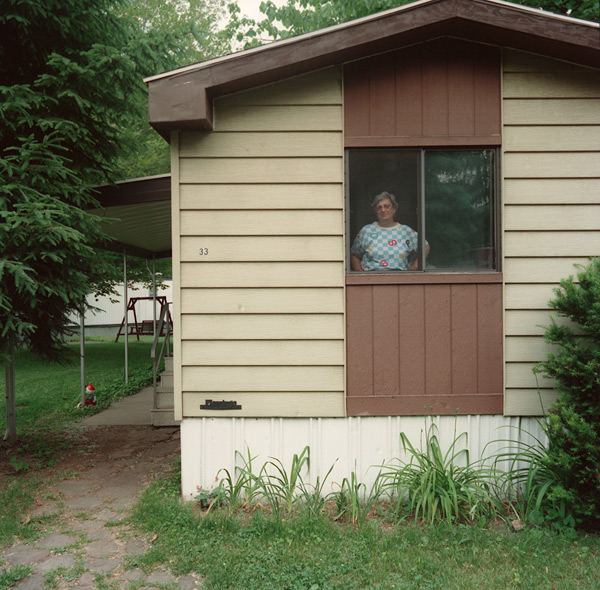
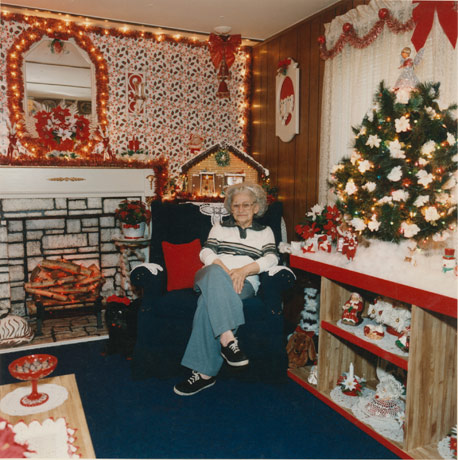
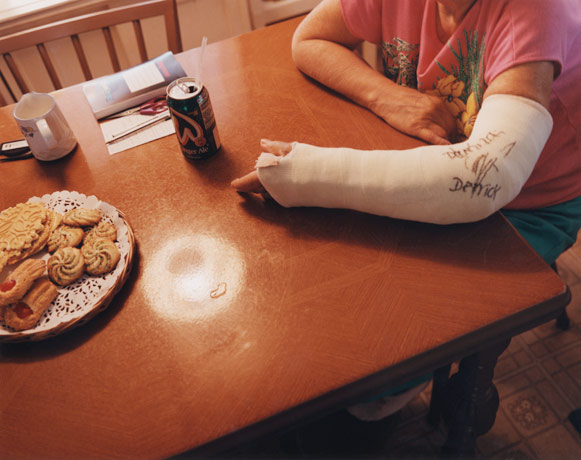
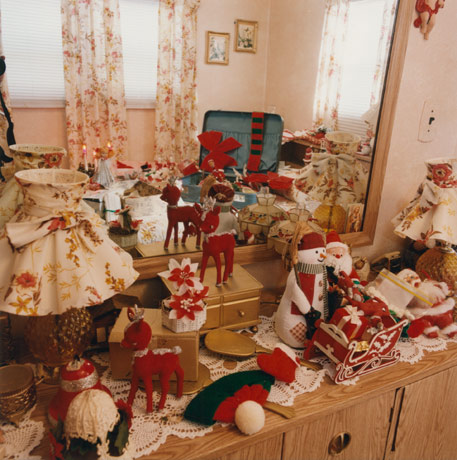
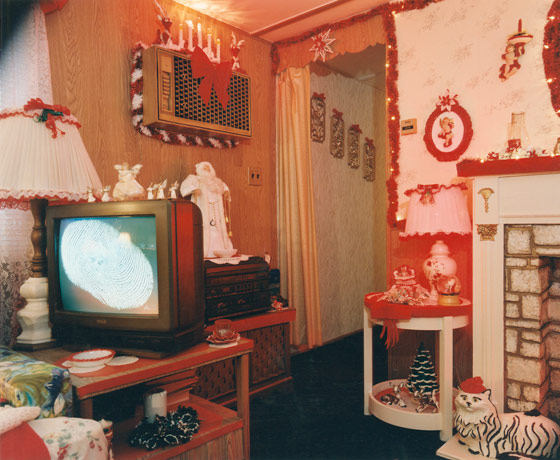
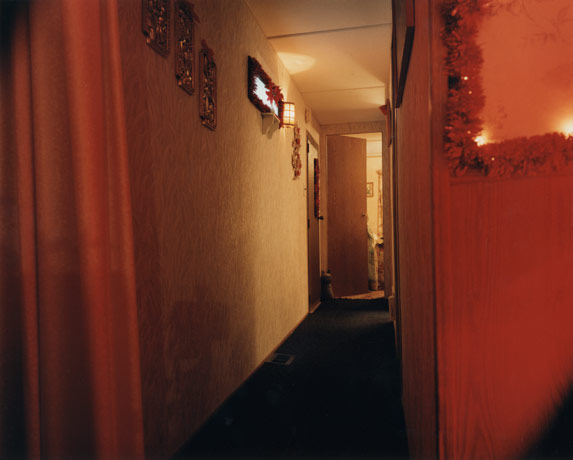
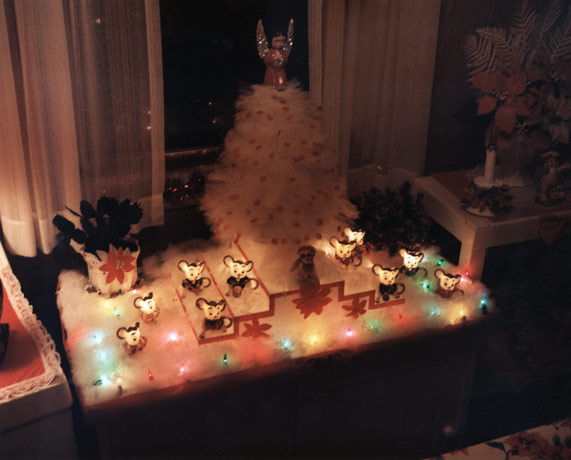
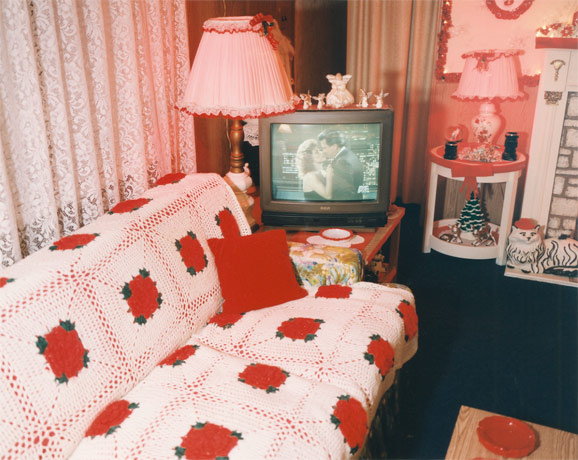
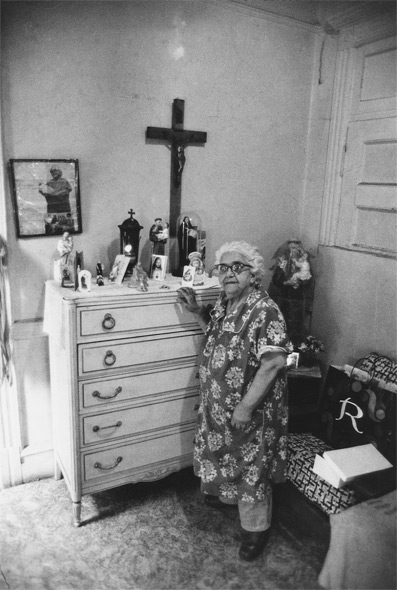
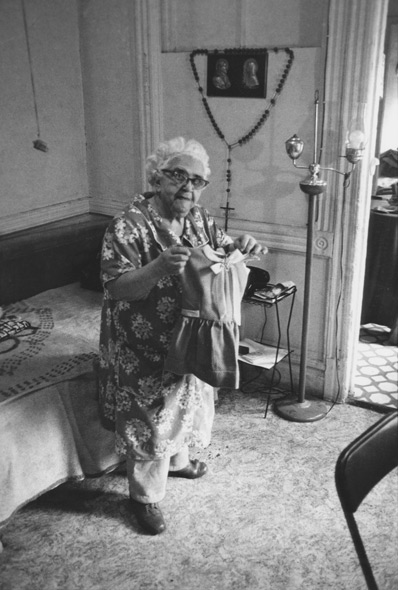
Arlene was one of my favorite people in the park. It took a year to be invited in to photograph her. When I first walked in, I was in awe, I was in Disneyland. What I saw was an artist who used space as folk art. She’s had a hard life, but she always had a pot of coffee going and wonderful park gossip to go along with it once I got to know her.
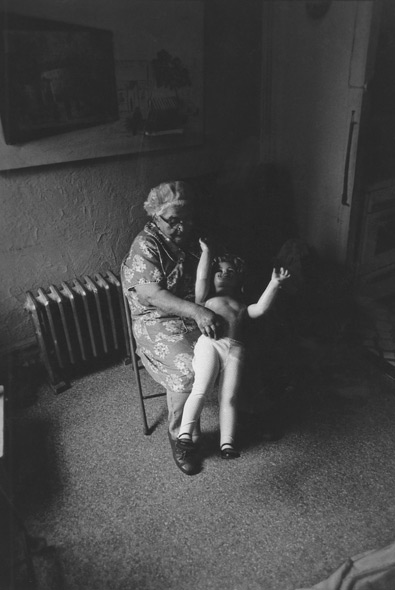
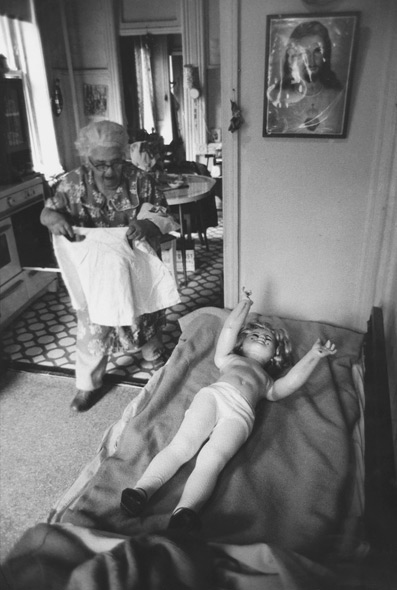
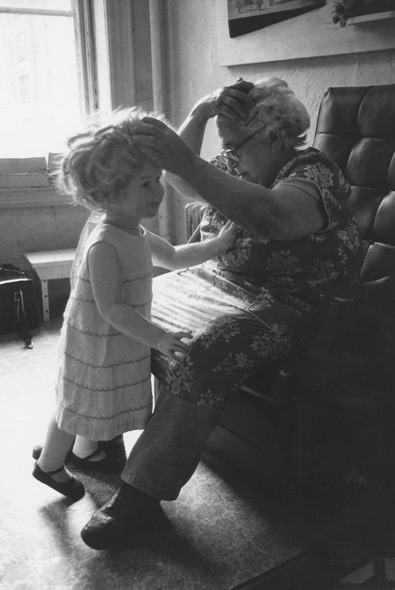
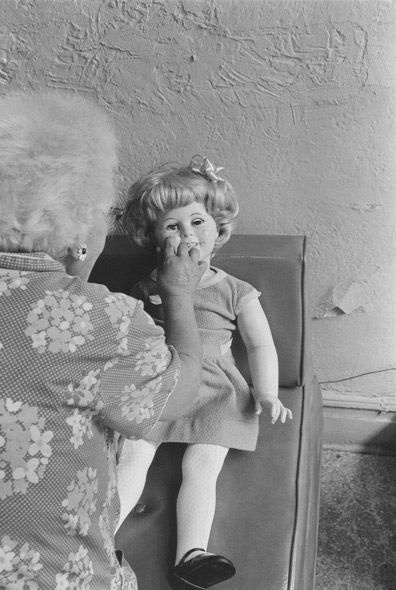
Mary
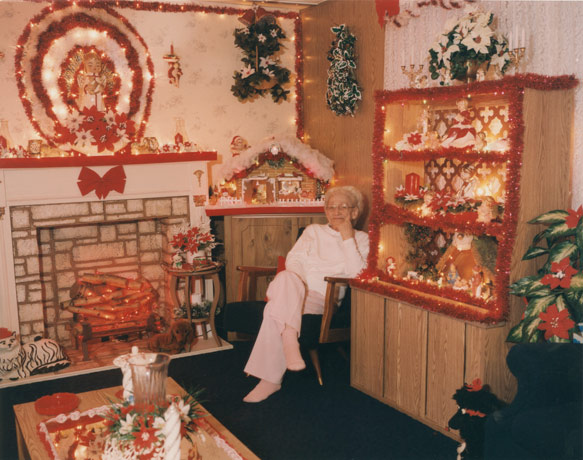
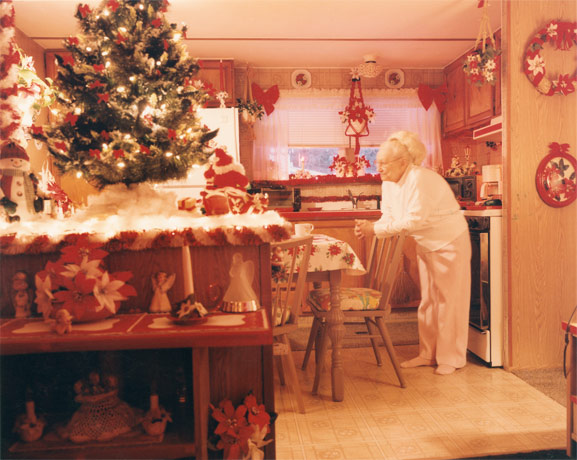
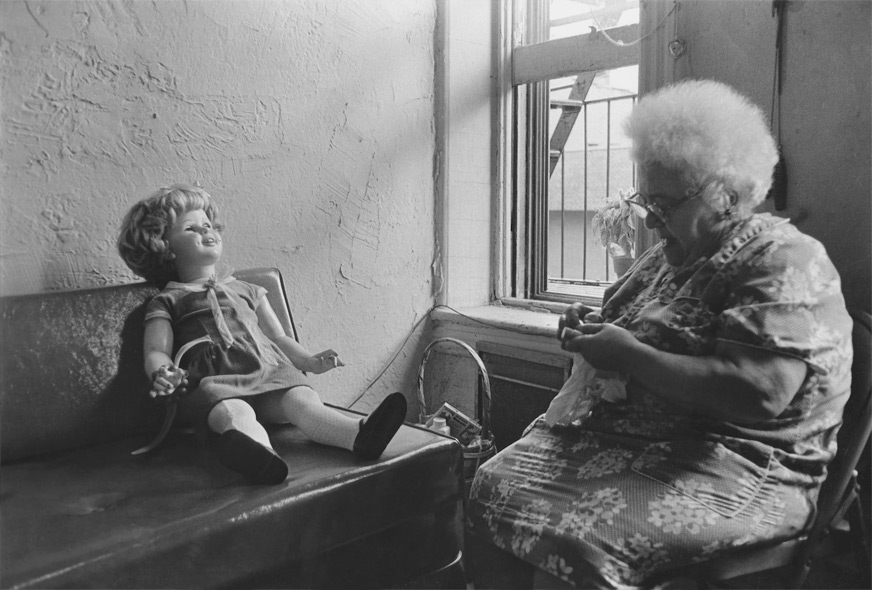
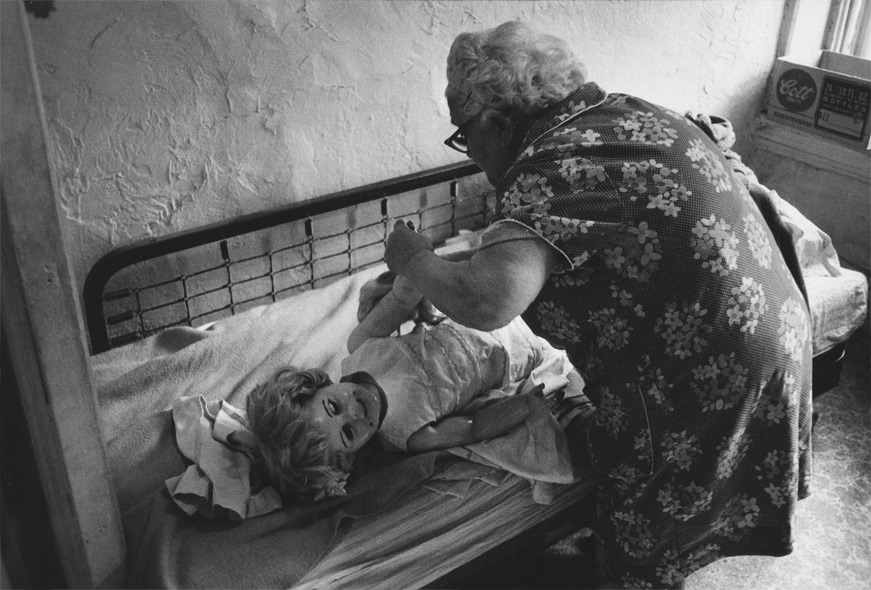
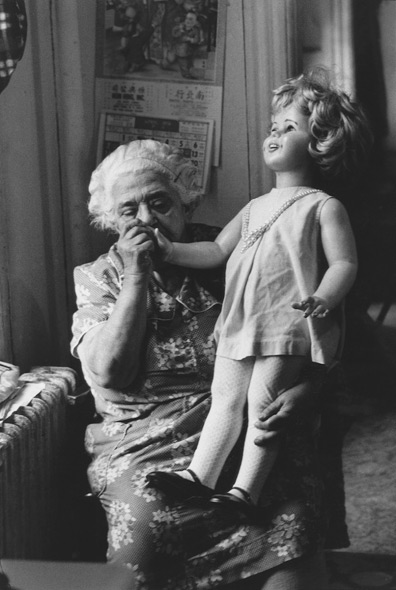
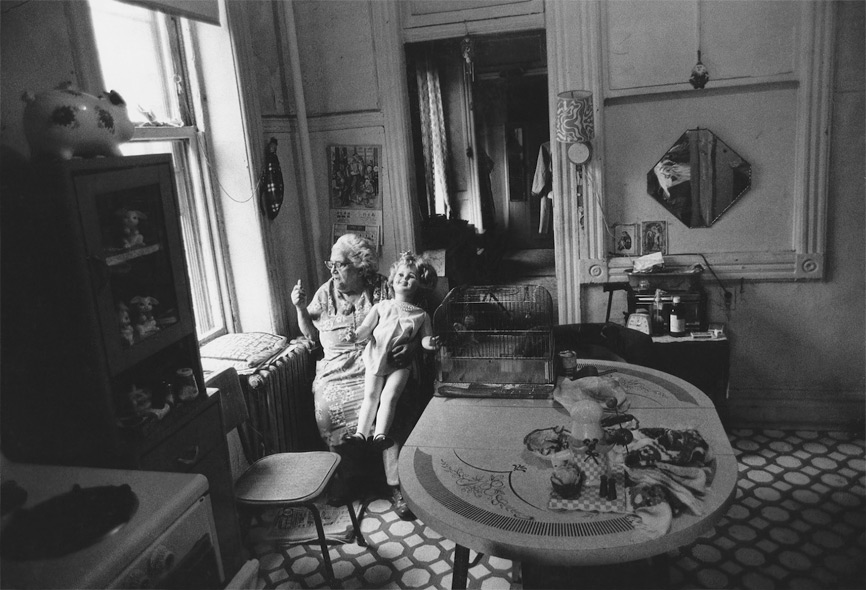
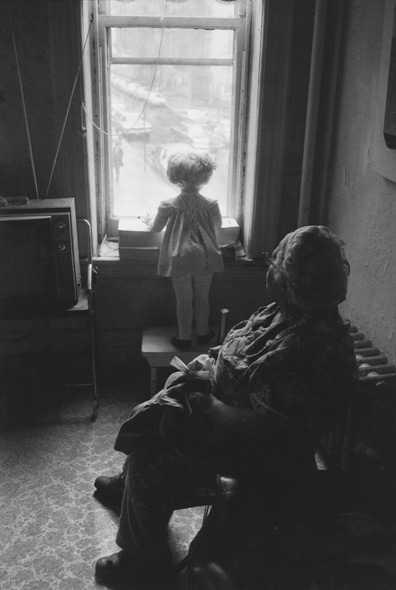
“I have a friend, a dreamy-minded musician, who carried a string of old Turkish coins around in his pocket. If this fellow finds that he has taken as many as two steps without his string of coins, he develops a frightening case of the jitters. And yet he insists that the coins are not a luck charm, that in fact they never brought him the mildest good fortune. I asked him, if not for luck, then what in God’s name they are for? ‘Ballast,’ he answered. ‘Those little things keep me from floating away altogether.’”
“Looking at Mary going through a day with her namesake doll. I think of my friend and of ballast, of the objects great and small, fashioned of metal, plastic, and flesh with which we attach ourselves to the world. Without her Mary doll, old Mary might very well float away for good. The doll is ballast, and loving it, she loves the world.”
-Daniel Klein
The Commute
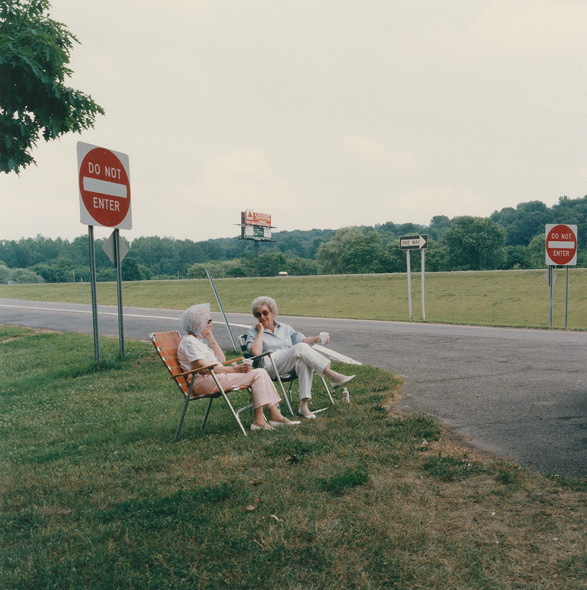
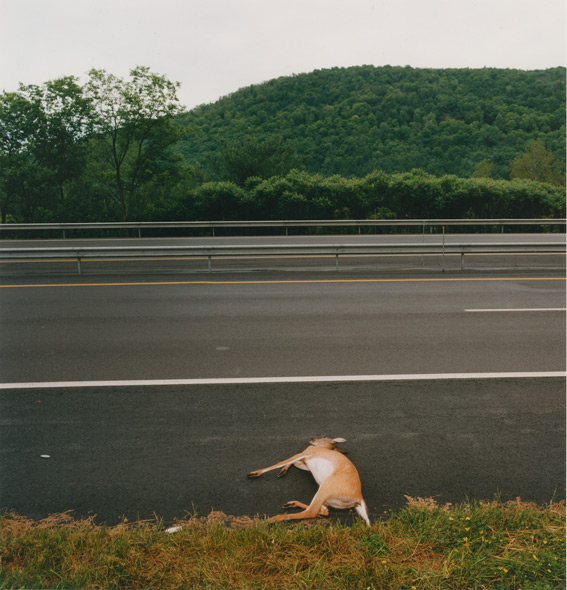
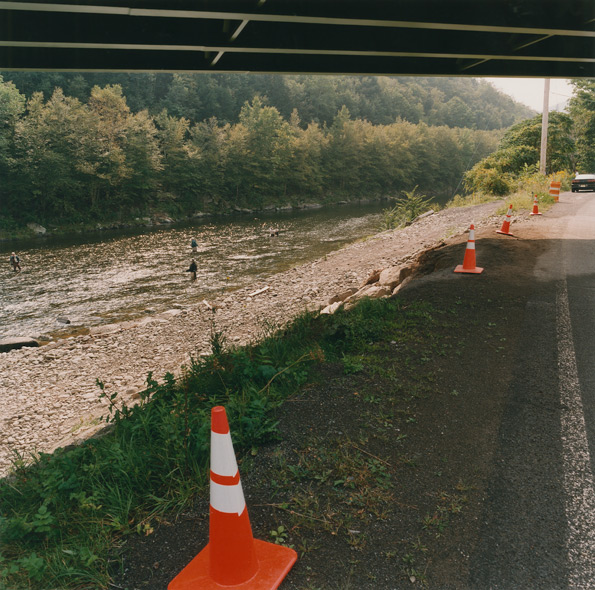
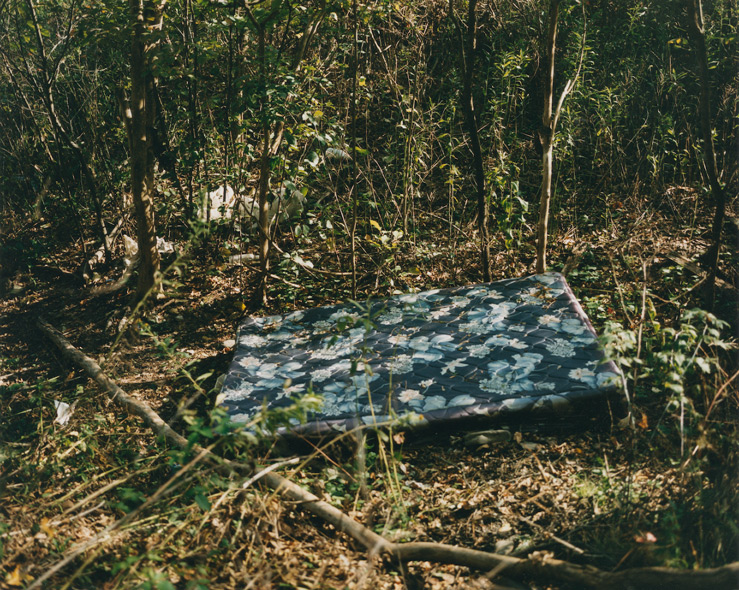
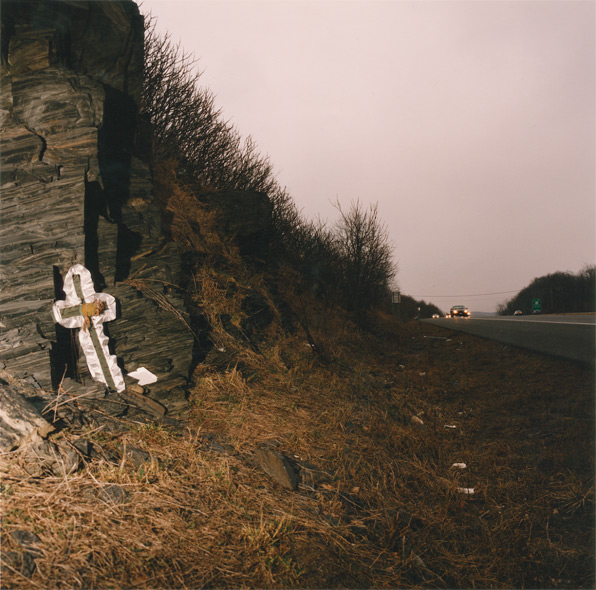
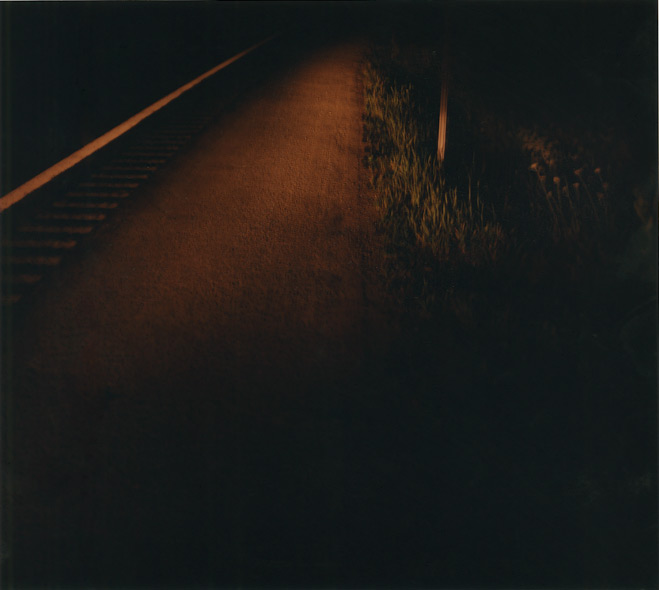
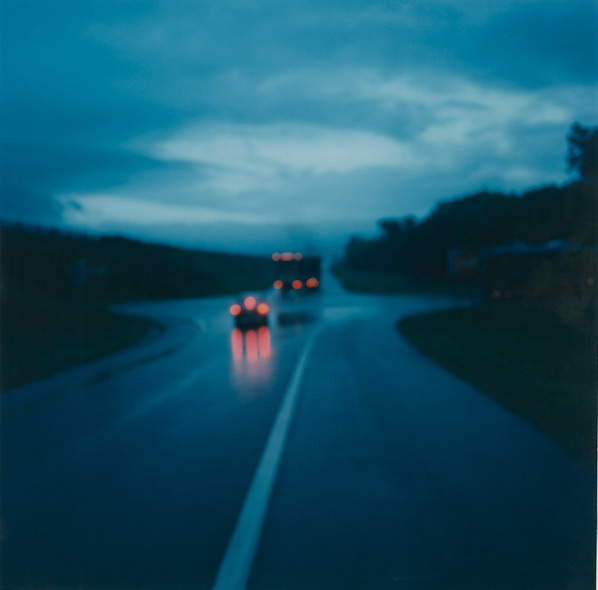
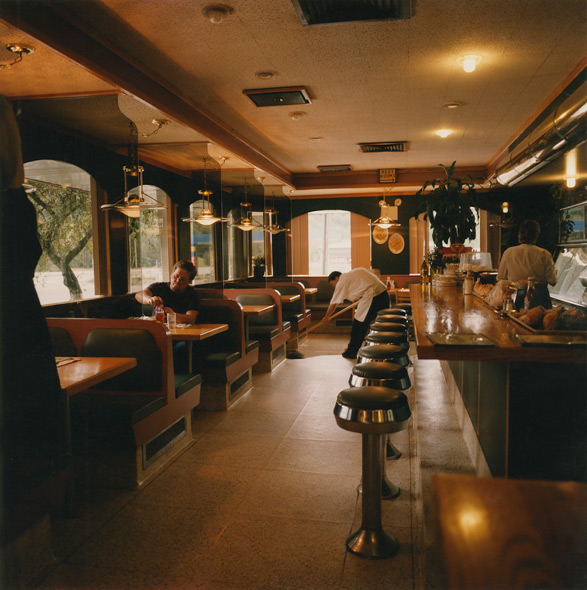
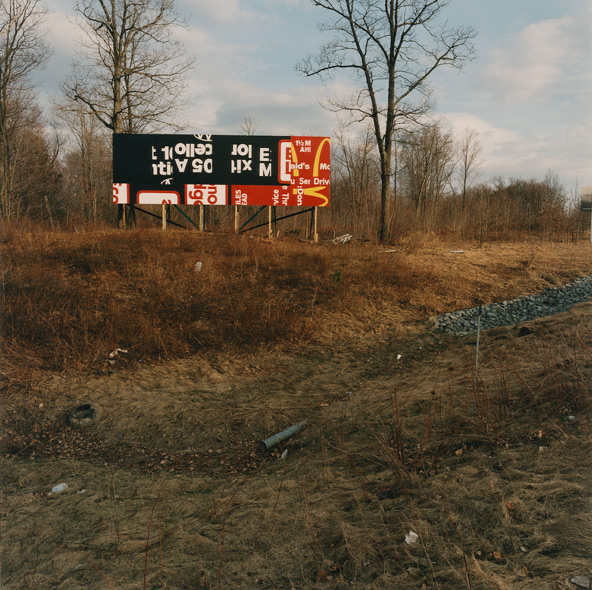
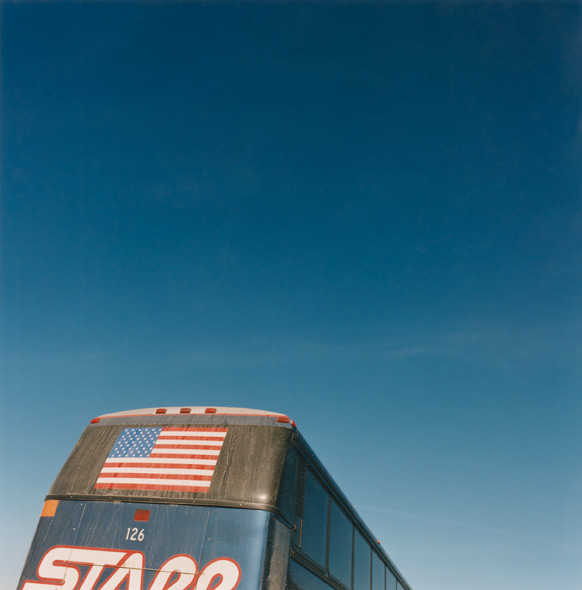
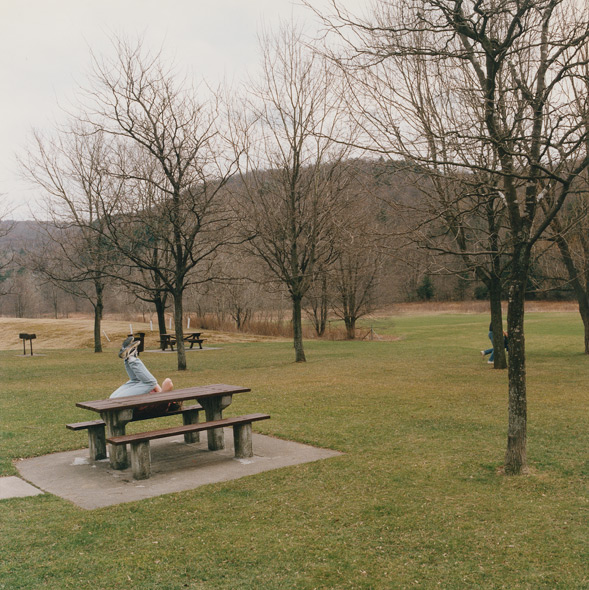
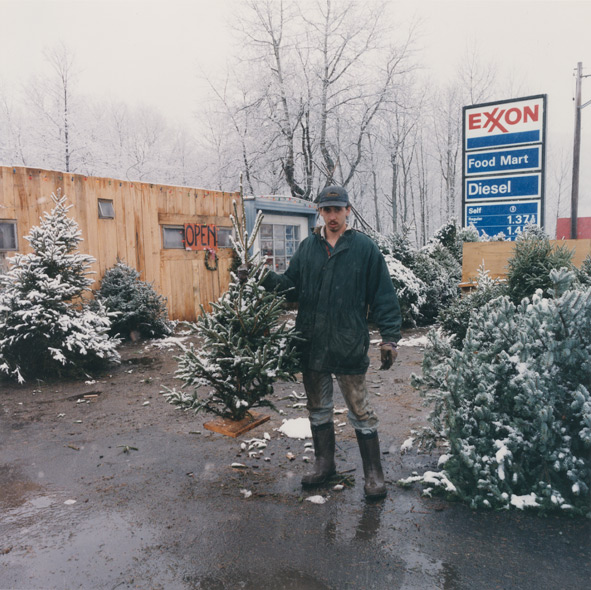
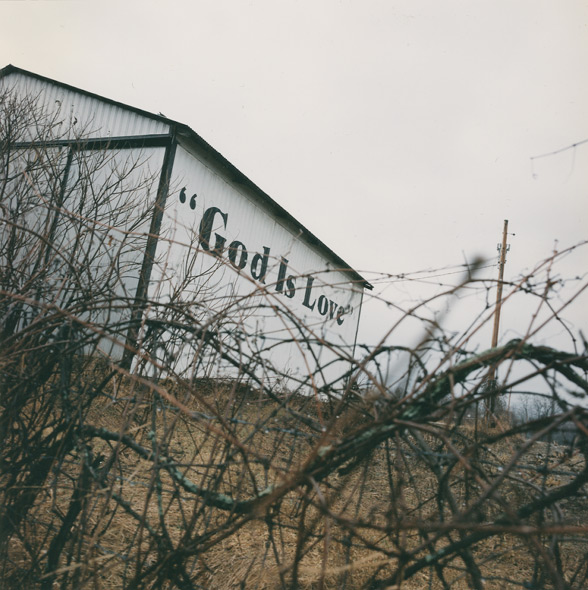
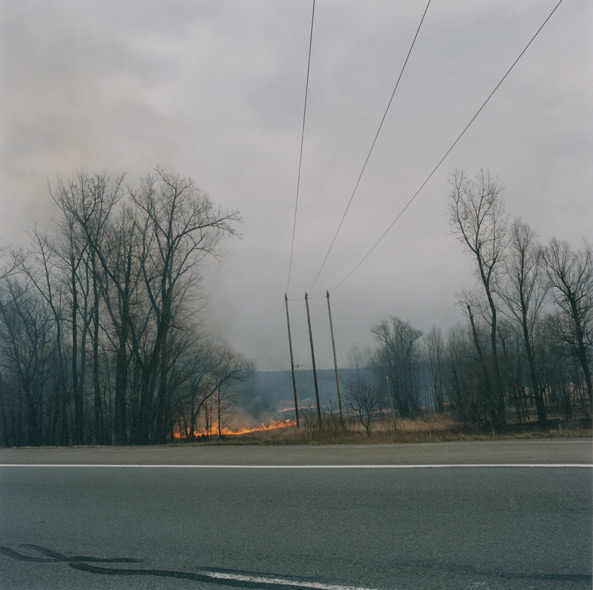
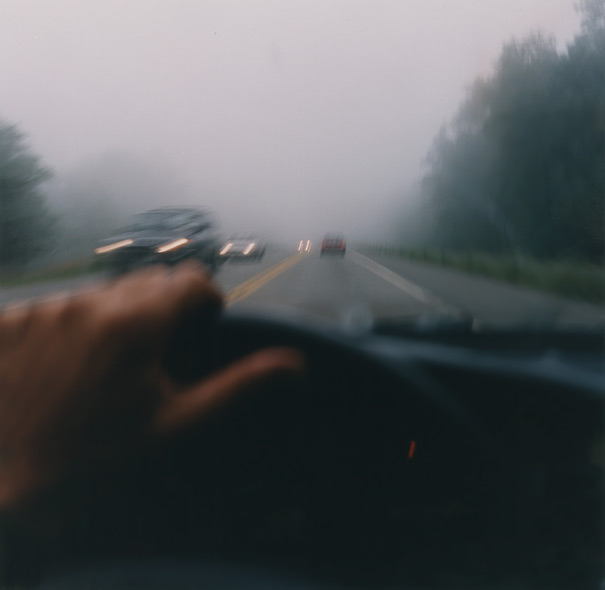
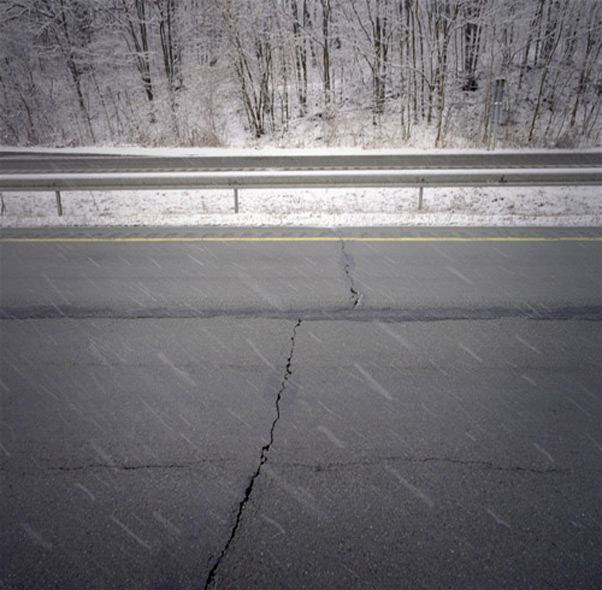
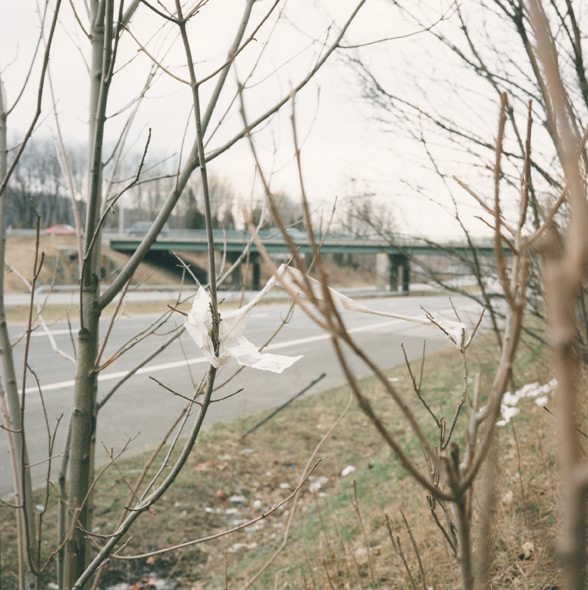
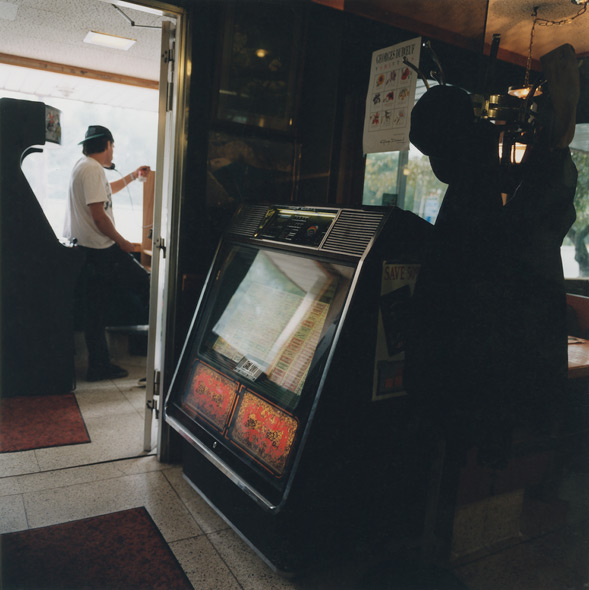
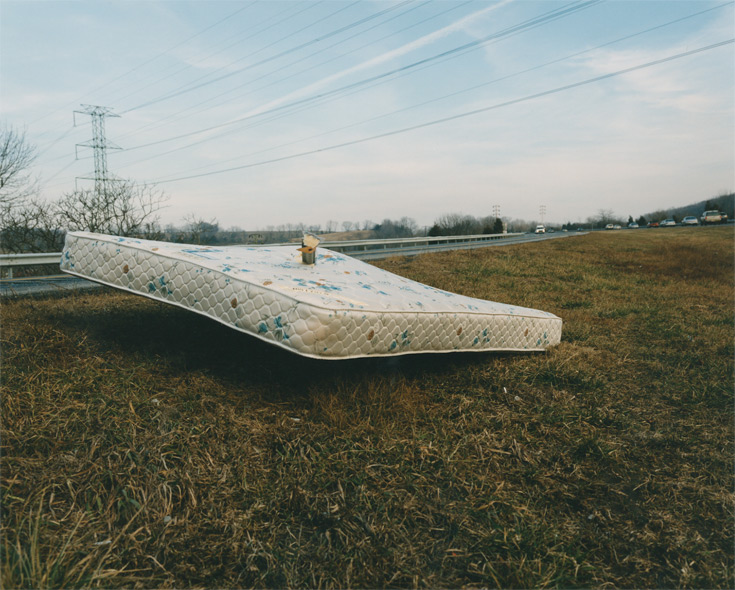
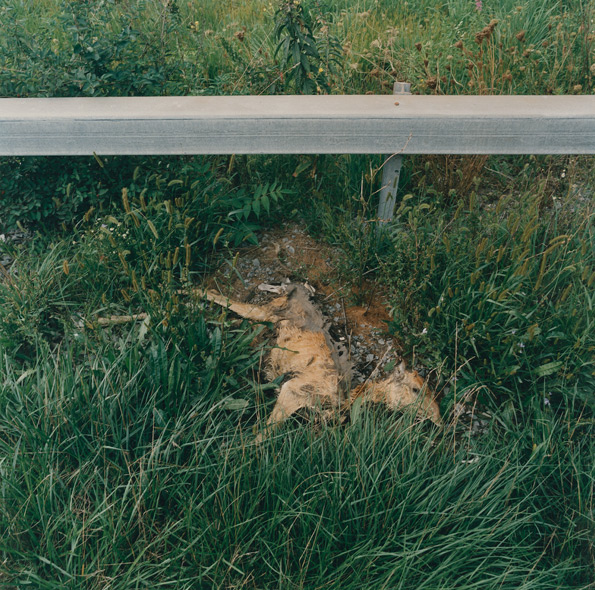
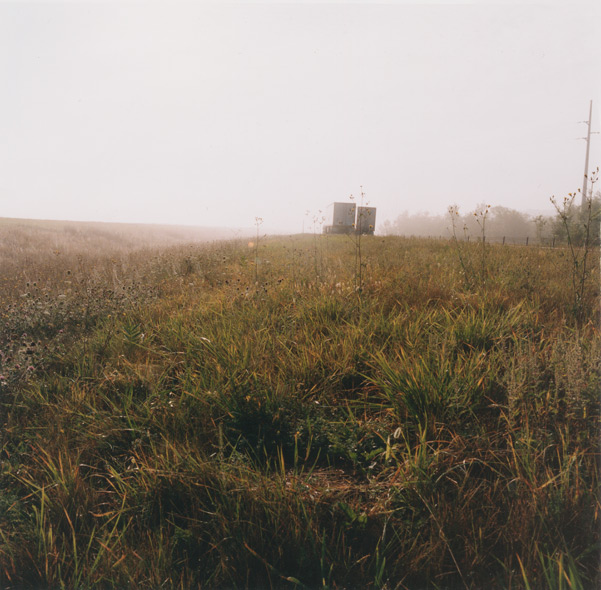
I began to photograph the 350 mile stretch of highway between Rochester, NY, where I teach photography, and New York City, where I reside, as a way to deal with the tedium of the weekly commute. But as I began to look at the highway through my camera, to stop and to talk to the people along my route, I found that the drive was deepening my sense of America. We are a country of cars and commuters, forever in transit. The road, the rest stop, the diner, the gas station, and the loneliness of the long and short distance the commuter is an integral part of the American experience. To me, the unique landscape of the highway, man made and strange, is all but ignored by the motorist flying by at five miles above the legal speed limit. After three years of photographing I have learned to enjoy the ride.
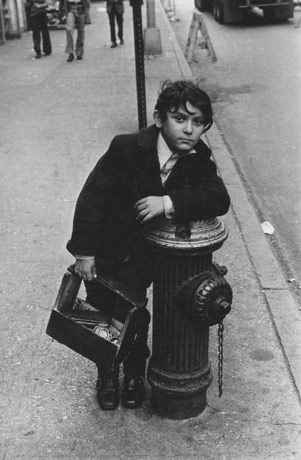
City Kids
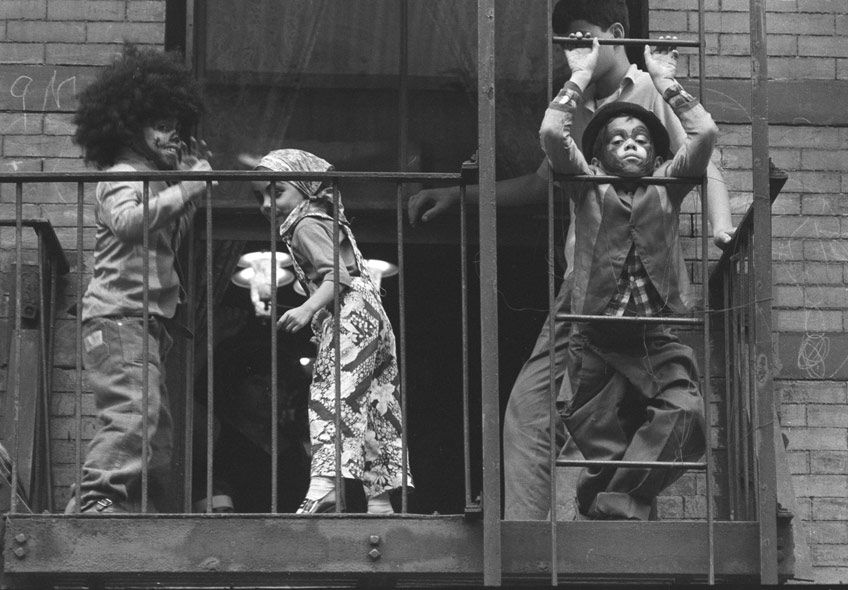
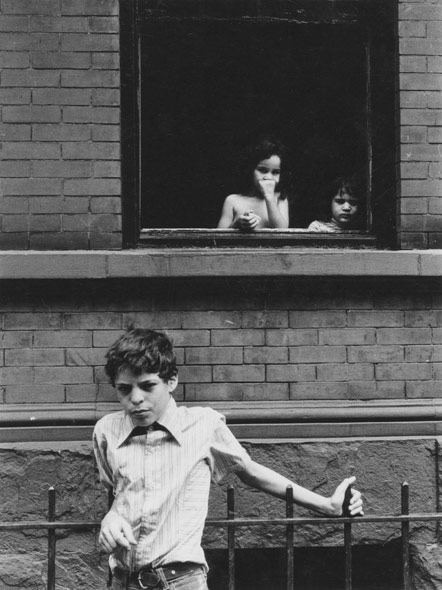
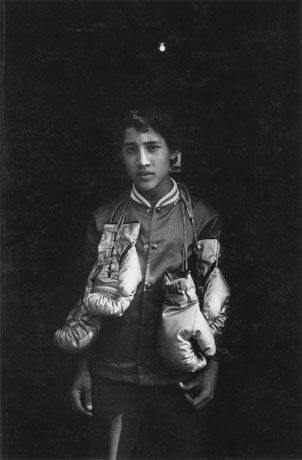
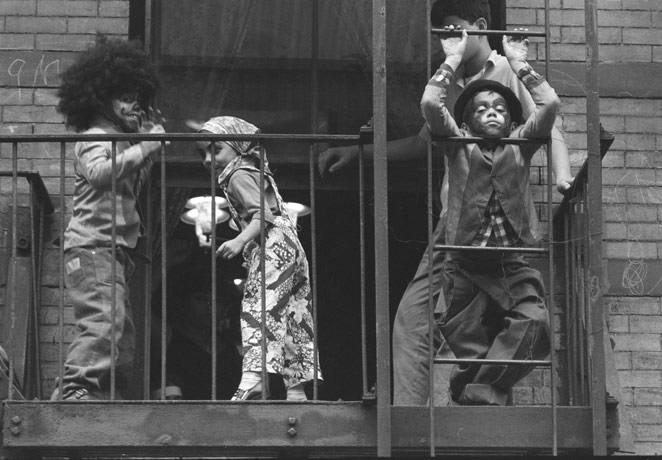
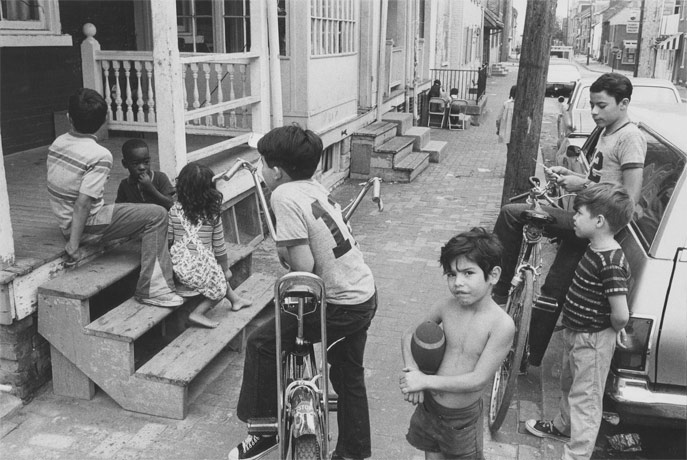
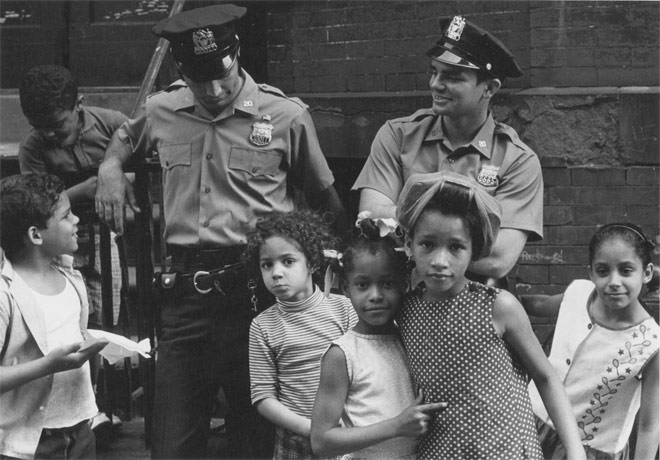
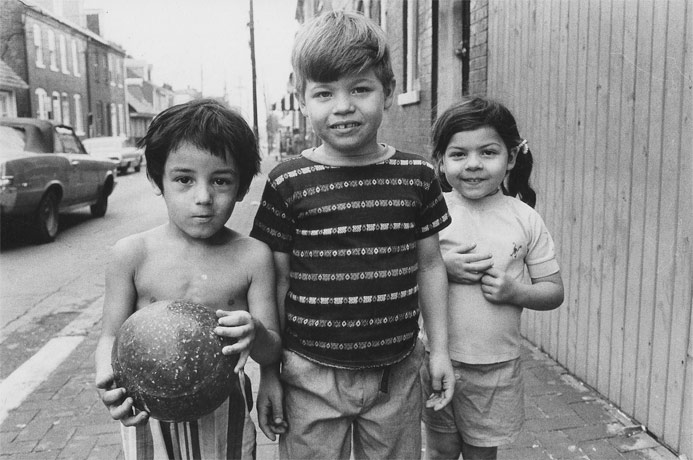
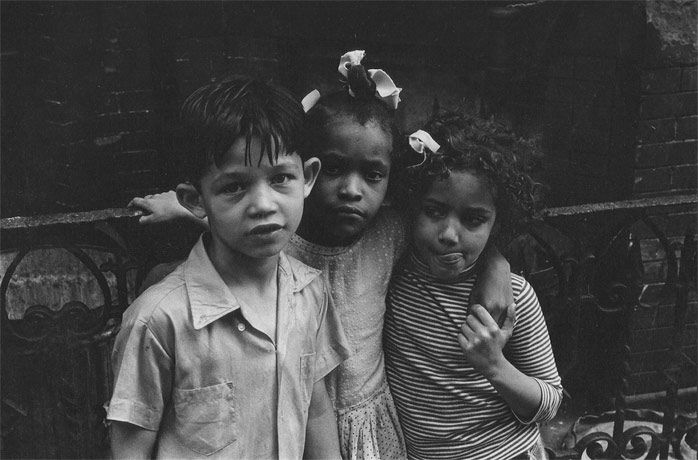
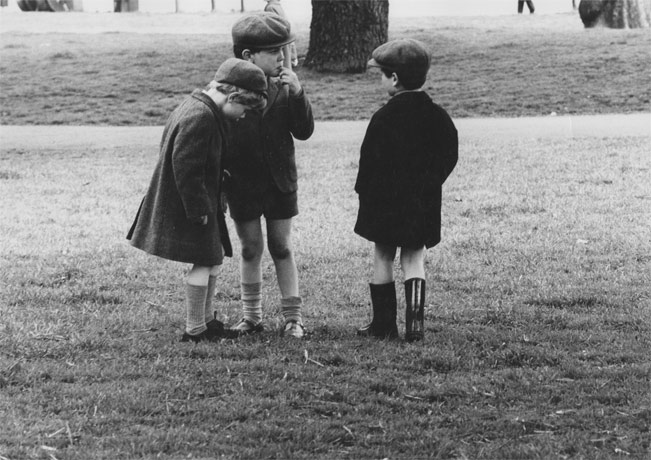
City living has its advantages, even for kids. Grass may be pretty, but you can’t write on it or skate on it, and it’s not very cool for riding bikes either. Trees are okay for climbing but maybe fire escapes are better. City life is all hard edges, wheels and always people. City kids know more, smile less and grow up sooner. It shows in their eyes.
Windows
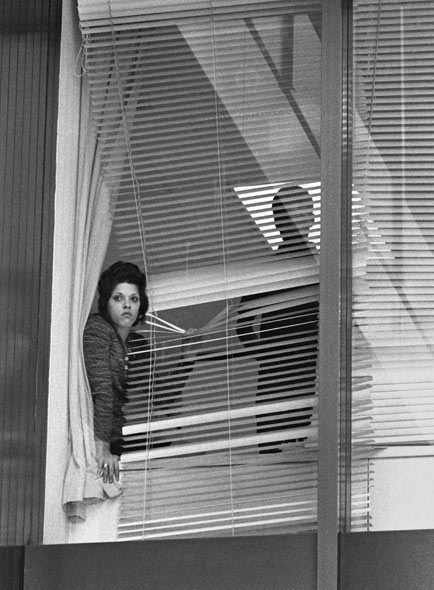
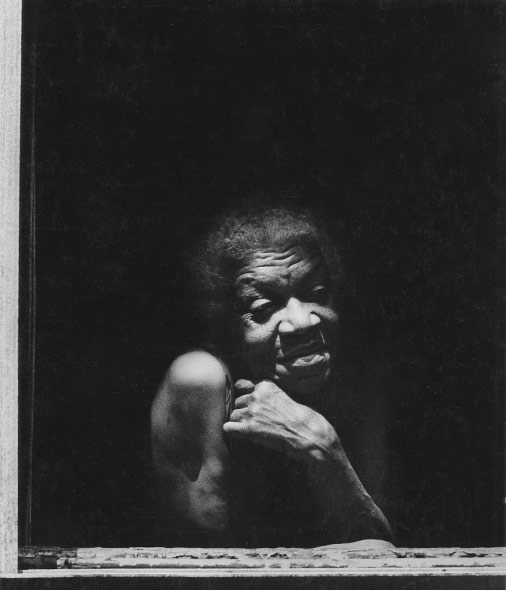
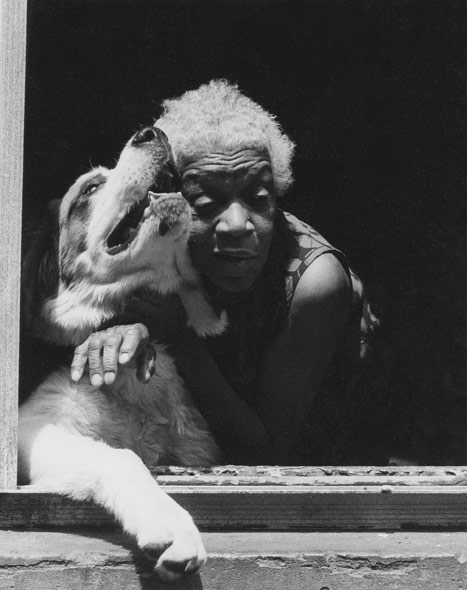
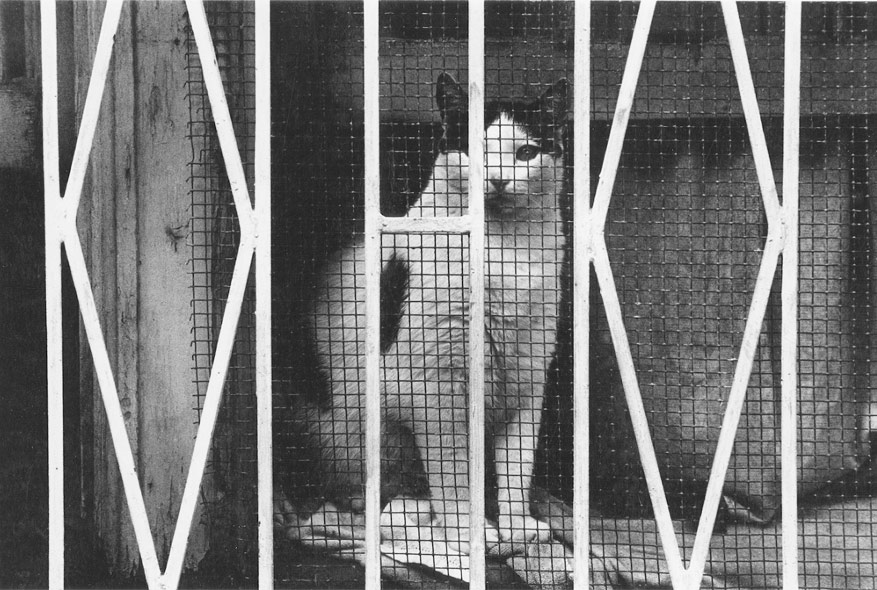
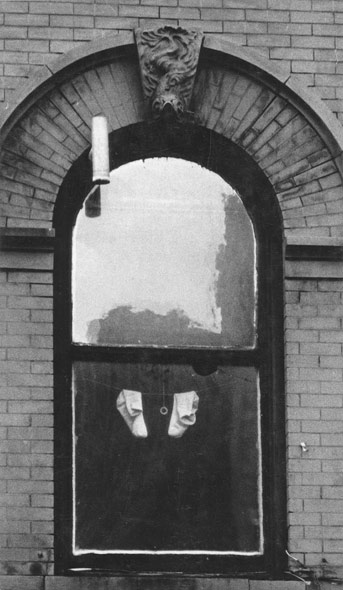
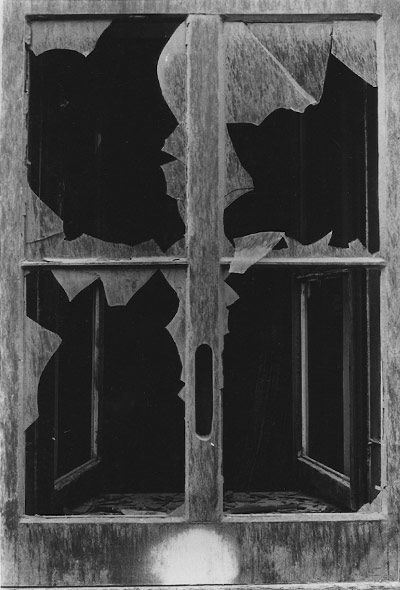
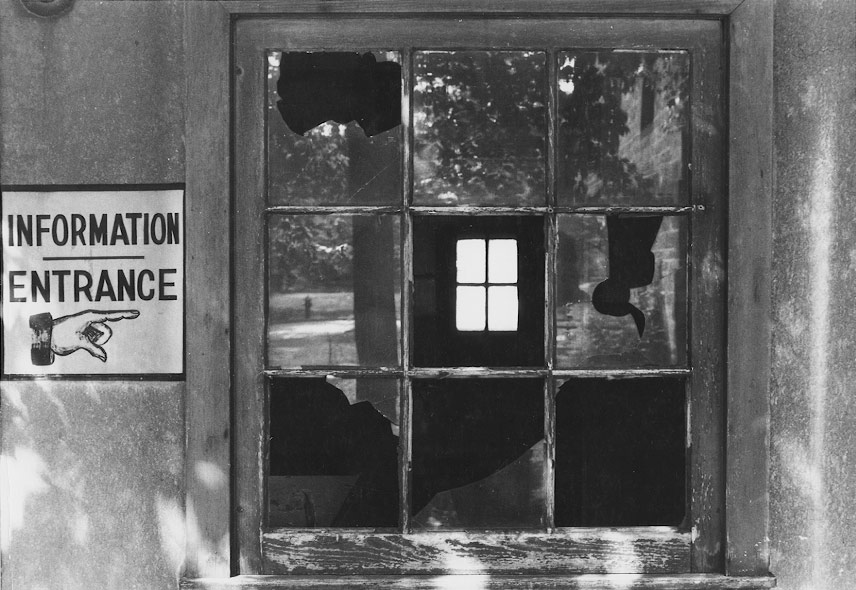
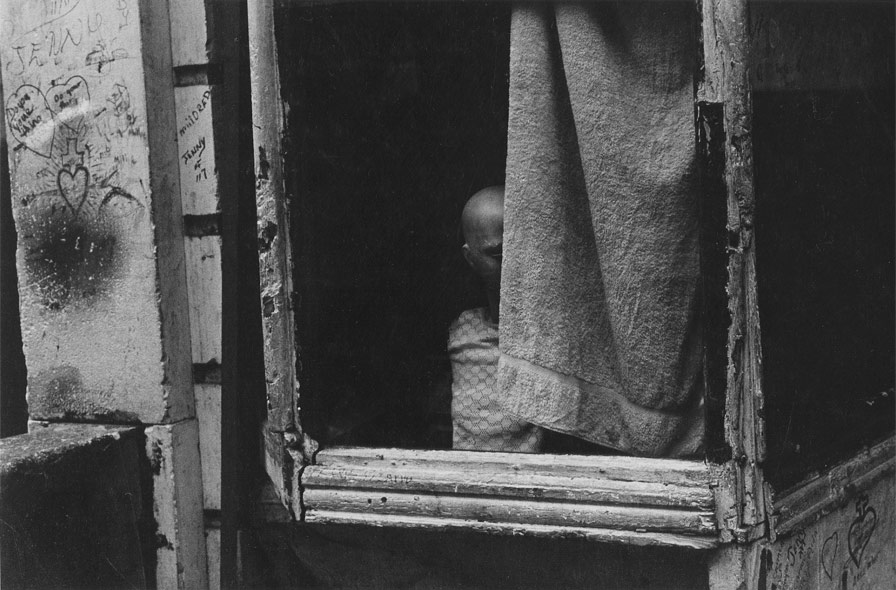
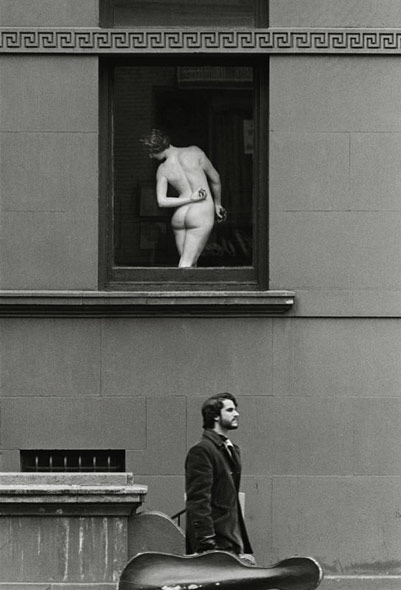
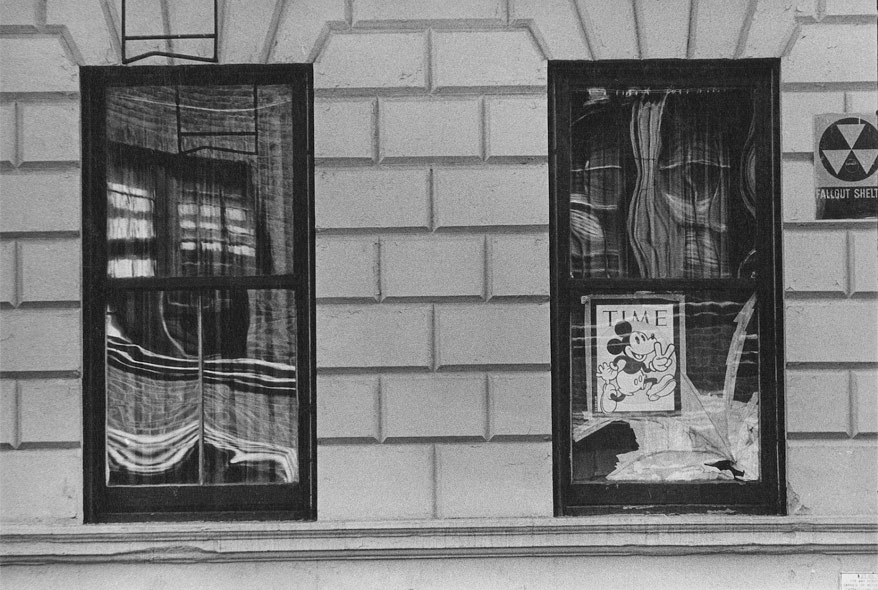
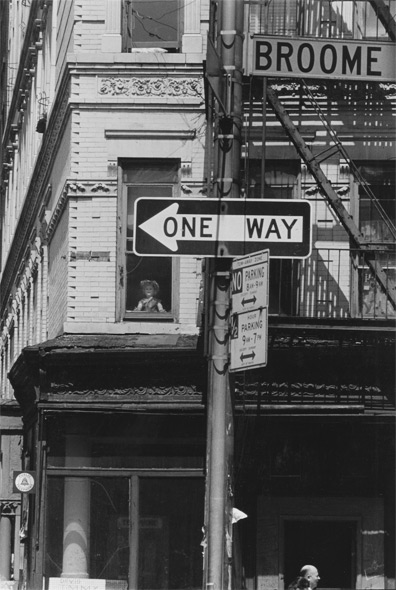
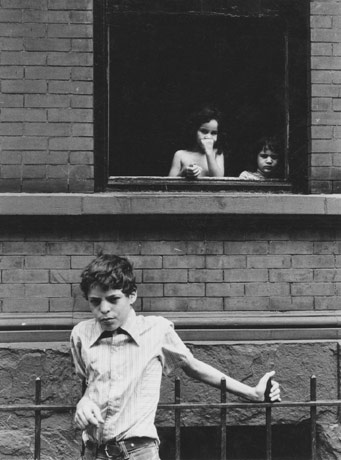
One can’t walk down a city street and not notice its windows. They loom out at you—a barrage of shapes and forms telling stories, however momentary. Windows are where outside and inside meet. They are frames of events to the passing observer—a filmstrip tour of the neighborhood. In some of these photographs I think I have found what I am after—moments and still lives that capture a special sense of the city. It is difficult to describe this sense, but it has to do with this ‘inside-outside’ world—the juncture of private and public, separation from and connection with the city. I am also fascinated with the shapes of the windows—in addition to the lives I see through them.